
How We Produce RNG
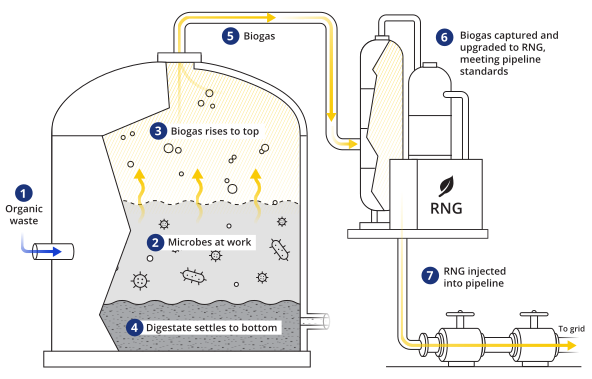
Biogas, which is a mix of methane and carbon dioxide, is a natural byproduct of the anaerobic digestion (AD) process. This biological conversion uses microbes to turn food and agricultural waste into two products: fertilizer and biogas, which is released from organic matter during digestion.
The biogas that floats to the top of our digesters is captured for conversion into RNG through an upgrading process. Upgrading makes our RNG interchangeable with fossil-produced natural gas, bringing it up to standard for injection into a traditional natural gas pipeline.
The communities near our AD facilities can divert food waste to us and access our RNG for heat, energy, or transportation, bringing the benefits of our sustainable process into the local economy.
Environmental Impact
Our process for creating RNG is non-extractive, sustainable, and low carbon — and in most cases, carbon negative.
Food waste left in landfills creates methane, a powerful greenhouse gas. Fossil-based fuels add greenhouse gasses to the atmosphere that were previously sequestered underground. Our anaerobic digestion (AD) process addresses both problems and converts waste into value.
Generate Upcycle recycles about 1 million tons of organic waste every year to create fertilizer and renewable energy. These products let us partner with waste creators — farms, municipalities, and businesses — to build sustainable circular economies wherever we operate.

Partner with Us
Partner with Generate Upcycle to source renewable natural gas or reduce your carbon impact.